Welcome to Module 1 of the Logistics & Supply Chain Management course offered by EFOS.
This module introduces students to the logistics and supply chain industry, its major functions, key processes, business importance, and career opportunities. It builds foundational awareness to help students understand how products move from suppliers to customers and how organizations coordinate materials, information, transportation, storage, and delivery.
By the end of this module, students will be able to:
Understand the meaning and importance of logistics and supply chain management.
Differentiate between logistics and supply chain management.
Identify the major stages of a supply chain.
Understand the movement of goods and information across the supply chain.
Recognize different logistics service provider models, including 1PL, 2PL, 3PL, and 4PL.
Identify major logistics sectors and entry-level career opportunities.
Explain the role of logistics in business operations and customer satisfaction.
Understand the role of logistics and supply chain activities in sourcing, storing, moving, and delivering products.
Explore the difference between logistics, which focuses on activities such as transportation, storage, and delivery, and supply chain management, which coordinates the broader network of suppliers, manufacturers, warehouses, distributors, and customers.
Learn about suppliers, procurement, manufacturing, warehousing, distribution, retail, and final customers.
Understand how products move through the supply chain and how information such as orders, inventory levels, delivery schedules, and shipment status supports operational decisions.
Get an introductory understanding of:
1PL: First-party logistics, where a company manages its own logistics activities.
2PL: Second-party logistics, generally involving a provider of a specific logistics service such as transportation or warehousing.
3PL: Third-party logistics, where an external provider manages selected logistics operations.
4PL: Fourth-party logistics, where a provider coordinates or manages a broader supply chain solution.
Explore logistics activities in e-commerce, retail, manufacturing, automotive, pharmaceuticals, food and agriculture, and international trade.
Become familiar with entry-level roles such as Logistics Coordinator, Warehouse Executive, Inventory Assistant, Procurement Assistant, Transport Operations Executive, and Supply Chain Assistant.
Consider an online order for a product.
Identify:
Where the product may have been sourced or manufactured.
How it may be stored in a warehouse.
How the customer order is processed.
How transportation and distribution are arranged.
How the product reaches the customer.
What information is needed to track the order and confirm delivery.
Logistics is an important part of the wider supply chain.
Supply chains coordinate multiple organizations and operational activities.
Physical goods flow and information flow must work together.
Logistics requirements differ across industries.
Understanding industry terminology and job roles is an important first step toward employment readiness.
Students should be able to explain logistics and supply chain management in their own words, describe the major supply chain stages, identify the differences between 1PL–4PL, and name potential entry-level career paths.
Next Module: Basic Logistics & Supply Chain Terminology.
 8 hours
A practical, self-paced course designed to prepare Diploma Mechanical Engineering students for entry...
 8-10 Hours
Banking & Finance – Entry-Level Job Readiness is a practical, self-paced program designed to build j...
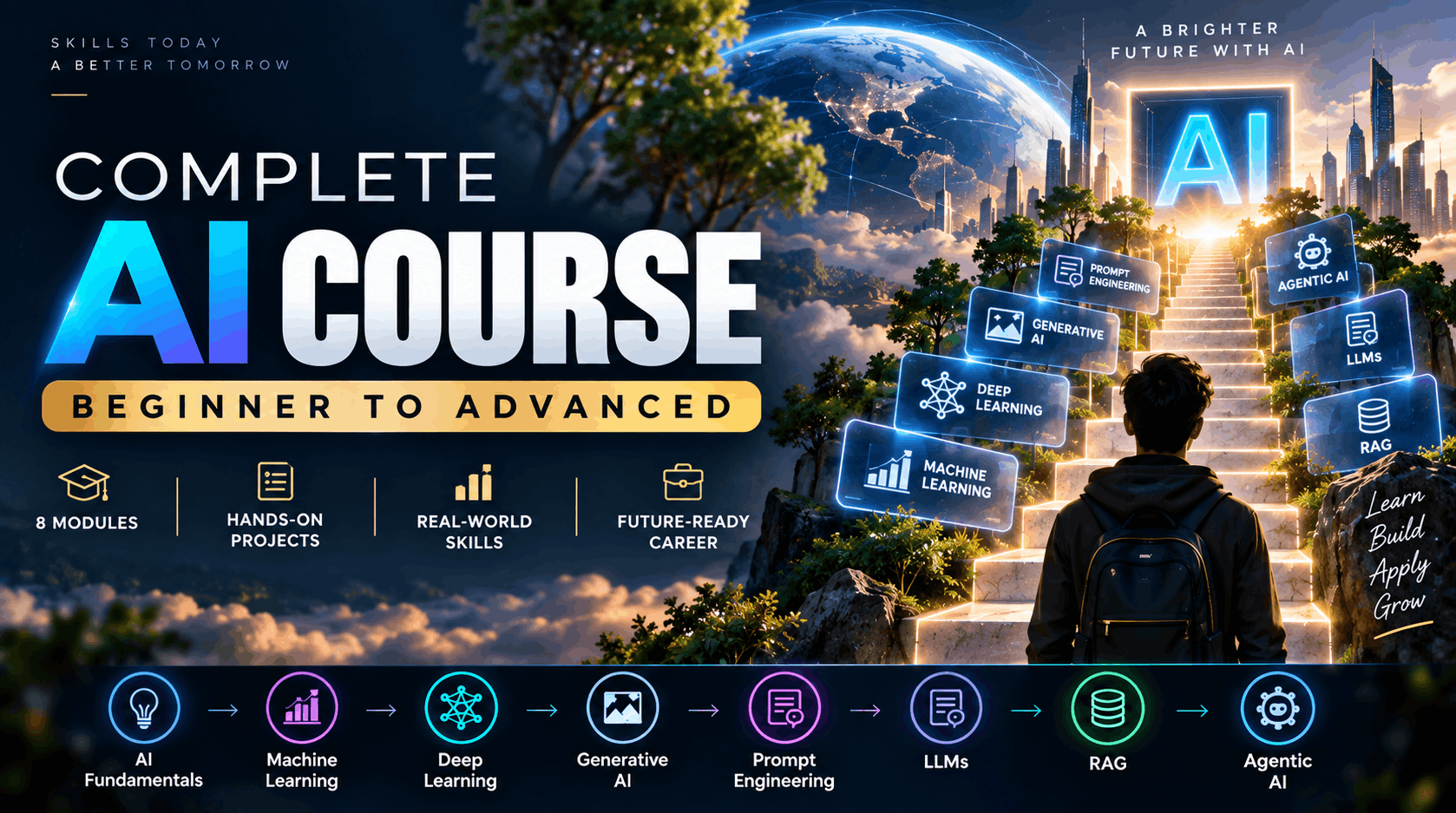 3 MONTHS
Learn Artificial Intelligence from fundamentals to advanced Agentic AI through 8 structured modules...
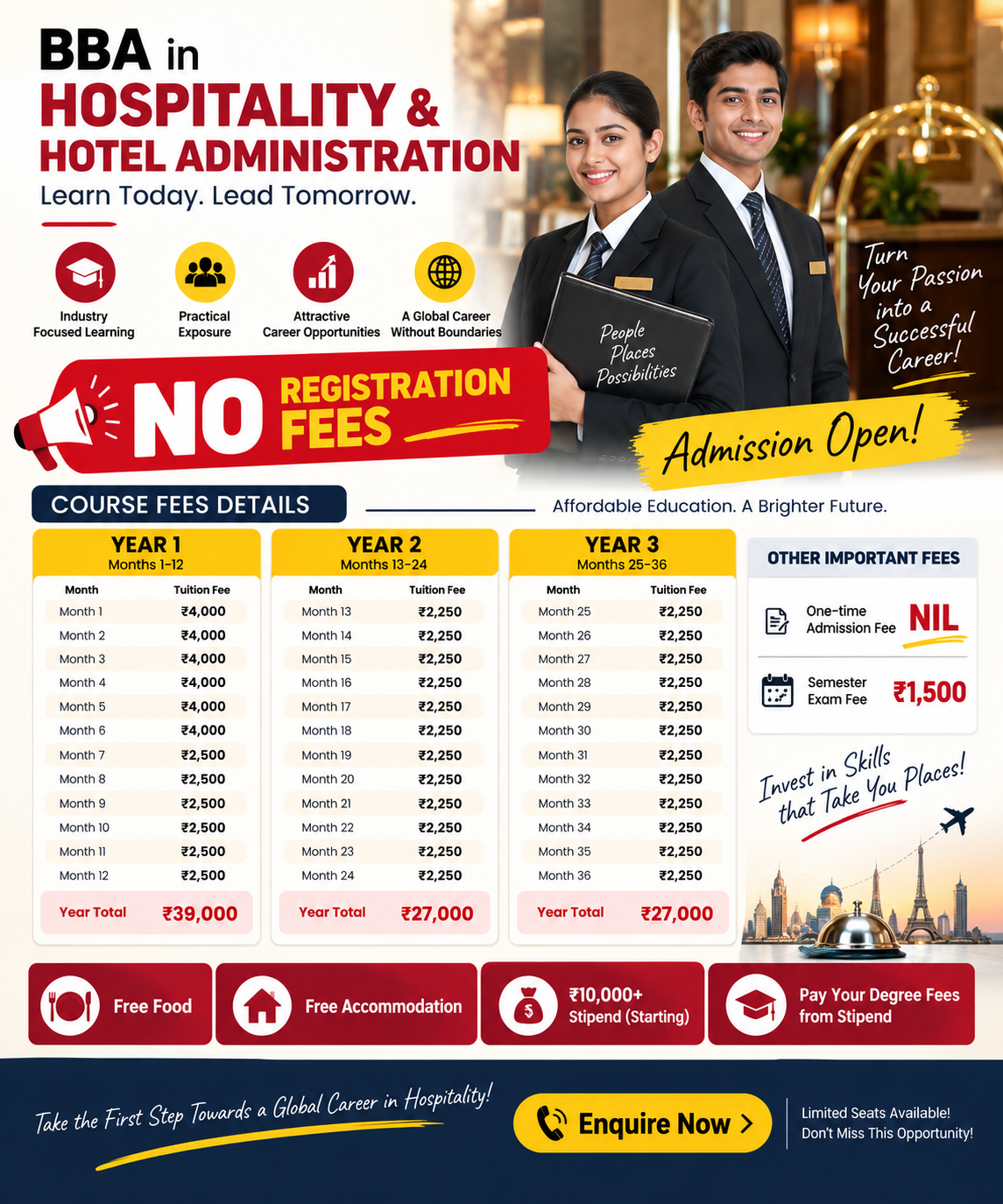 15 Days
BVoc in Hospitality and Hotel Management एक 3 वर्षीय करियर-केंद्रित स्नातक कार्यक्रम है, जो छात्रों...
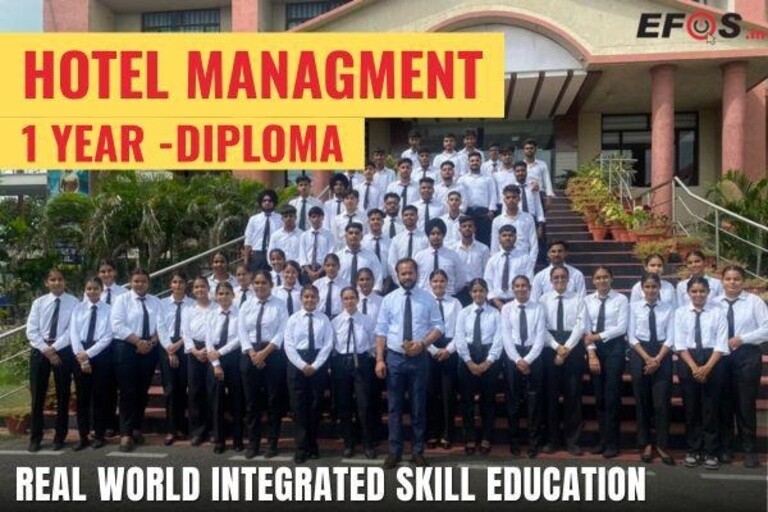 1 Year
Hotel Management Diploma (RISE Program)- Learn & Earn Mode RISE: Real-world Integrated Skills for...
 1 MONTHS
Digital literacy is the ability to use digital devices, the internet, and online tools safely and ef...