
Power Generation Basics
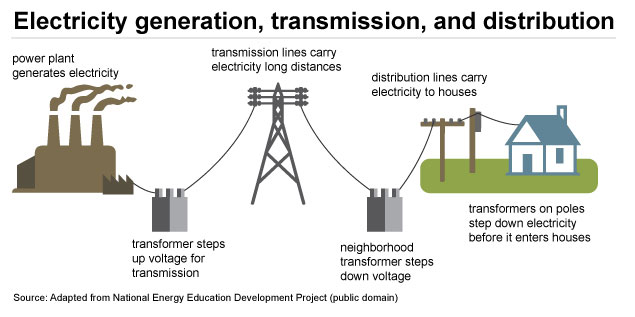
Power Generation is the process of producing electrical energy from natural energy sources such as coal, water, sunlight, and wind. The generated electricity is supplied to homes, industries, hospitals, and other consumers.
 8 hours
A practical, self-paced course designed to prepare Diploma Mechanical Engineering students for entry...
 8-10 Hours
Banking & Finance – Entry-Level Job Readiness is a practical, self-paced program designed to build j...
 8-10 Hours
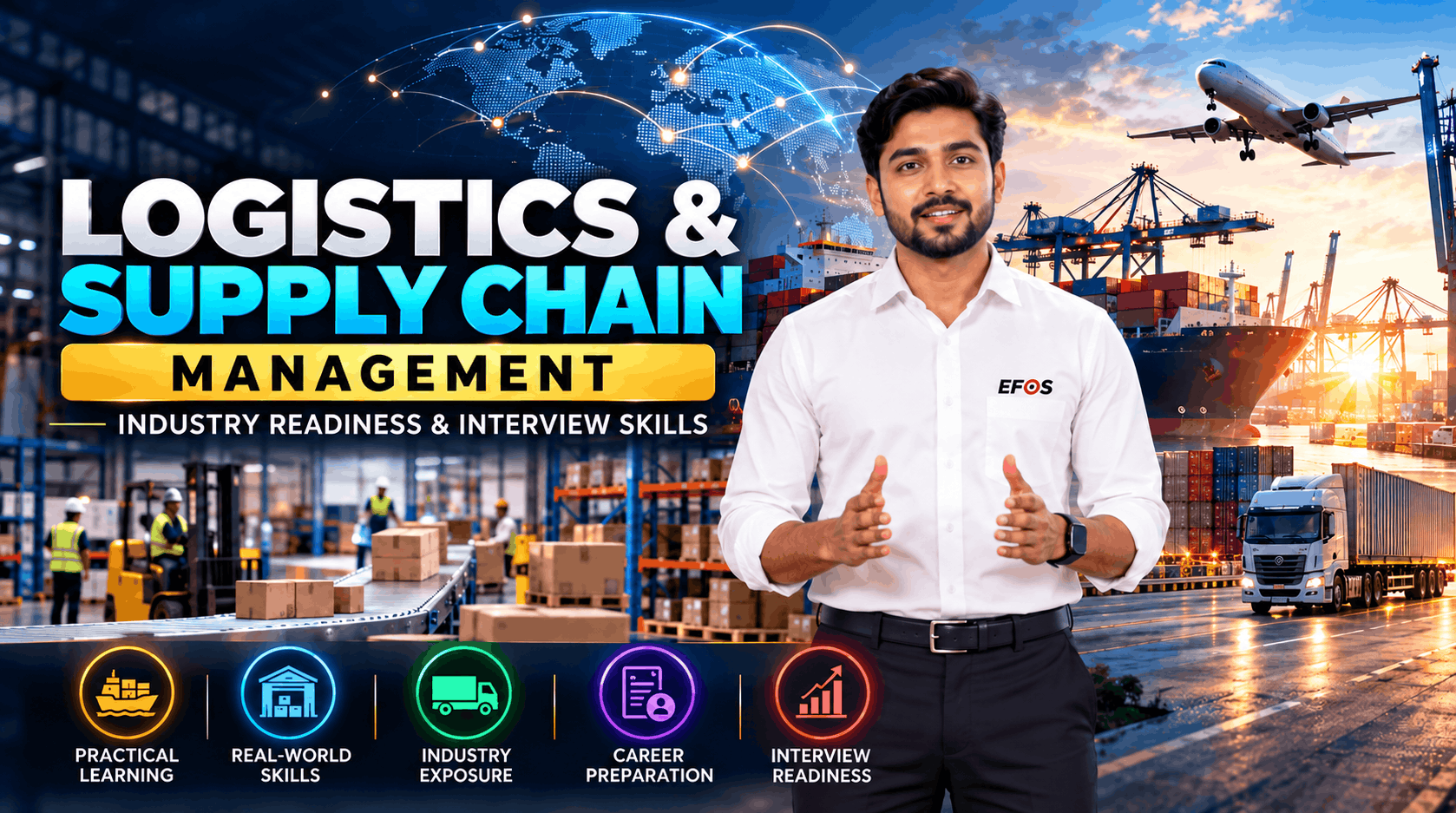
Industry-focused training in logistics and supply chain management, covering terminology, procuremen...
 3 MONTHS
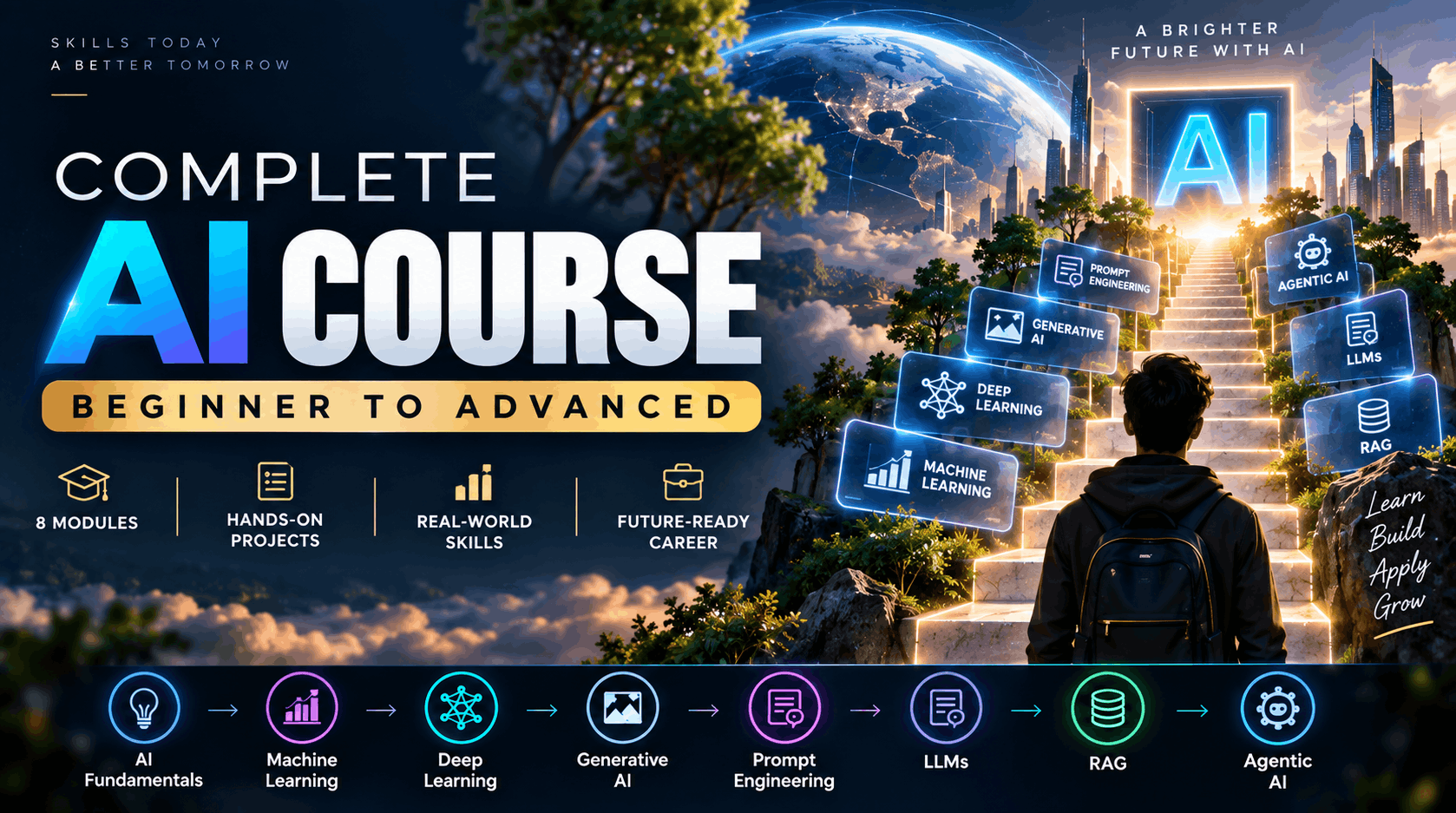
Learn Artificial Intelligence from fundamentals to advanced Agentic AI through 8 structured modules...
 15 Days
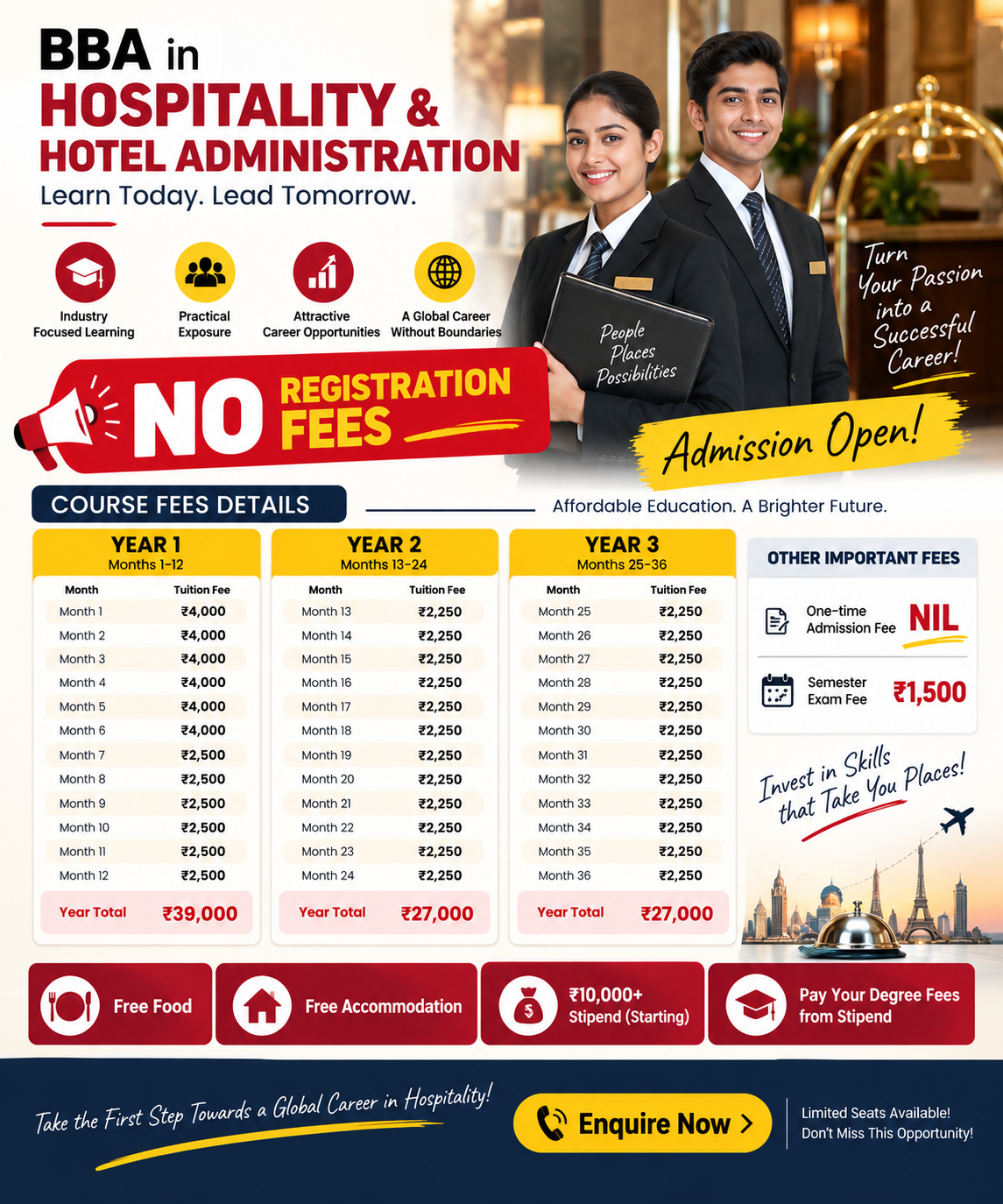
BVoc in Hospitality and Hotel Management एक 3 वर्षीय करियर-केंद्रित स्नातक कार्यक्रम है, जो छात्रों...
 1 Year
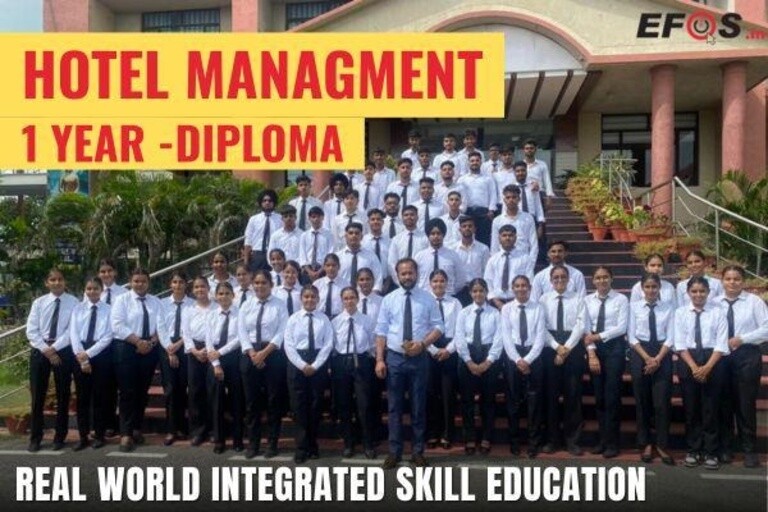
Hotel Management Diploma (RISE Program)- Learn & Earn Mode RISE: Real-world Integrated Skills for...