Cleaning Methods & Standards
Video
Module 4: Housekeeping Operations
Cleaning Methods:
- Manual Cleaning:- This is the basic method of cleaning done by hand. It is used for small or lightly soiled areas. Tools like cloths, mops, brooms, and brushes are used. It is slow but gives detailed results. Manual cleaning is suitable for furniture, corners, and areas where machines cannot reach.
- Mechanical Cleaning:- Mechanical cleaning uses machines to make cleaning faster, easier, and more efficient. Machines like vacuum cleaners, scrubbers, polishers, and carpet shampooers are used. This method saves time, reduces physical effort, and provides better results in large areas such as lobbies, corridors, and banquet halls.
- Wet Cleaning:- Wet cleaning involves using water along with detergents or chemicals. It includes washing, scrubbing, and mopping. This method is effective for removing stains, dirt, and germs. Wet cleaning is mostly used in bathrooms, kitchens, floors, and areas with water-safe surfaces.
- Dry Cleaning:- Dry cleaning uses no water. It includes dusting, sweeping, and vacuuming. This method is used where water may damage surfaces, such as carpets, upholstery, electrical fixtures, or wooden flooring. Dry cleaning helps remove loose dust and keeps surfaces clean without moisture.
- Damp Dusting:- In damp dusting, a cloth is slightly moistened to clean surfaces. It helps trap dust instead of allowing it to fly in the air. This method is ideal for furniture, counters, TV screens, telephones, and decorative pieces. It provides a cleaner and more hygienic finish than dry dusting.
- Spray Cleaning:- Spray cleaning uses a spray bottle with cleaning solution. The cleaner is sprayed on the surface and wiped with a cloth. It is used to remove fingerprints, smudges, light stains, and marks. Spray cleaning is common for glass, mirrors, and frequently touched surfaces.
- Deep Cleaning:- Deep cleaning is an intensive form of cleaning done periodically (weekly, monthly, or quarterly). It includes scrubbing, descaling, stain removal, carpet shampooing, and cleaning of corners, vents, and behind furniture. It helps maintain long-term hygiene and prevents buildup of dirt and germs.
Cleaning Standards:
- Appearance Standard:- This standard ensures the area looks neat, clean, and visually pleasant. There should be no visible dust, fingerprints, stains, or clutter. Rooms and public areas must look fresh and inviting to guests.
- Hygiene Standard:- This standard focuses on cleanliness and disinfection. All areas should be germ-free and safe for guests. Proper chemicals must be used to sanitize high-touch points like door handles, switches, telephones, and remote controls. It prevents infections and maintains health.
- Safety Standard:- Cleaning must be done safely to protect guests and staff. Wet floor signs should be used to prevent slipping accidents. Chemicals must be handled properly. Tools and equipment should be stored safely. Safety ensures a hazard-free environment.
- Quality Standard:- Quality standard means the work must follow the hotel’s SOP (Standard Operating Procedures). The correct method, proper chemical dilution, and proper cleaning sequence must be followed. Rooms should pass inspection before they are marked clean.
- Time Standard:- Cleaning should be completed within the allotted time. Housekeeping must follow the daily schedule and finish room cleaning quickly and efficiently without compromising quality. This helps ensure on-time check-ins and smooth operation.
- Environmental Standard:- This standard focuses on sustainability. Staff should use eco-friendly chemicals, avoid wastage of water and electricity, and dispose of waste responsibly. Recycling should be followed wherever possible. It helps protect the environment.
PDF is not available for this lesson.

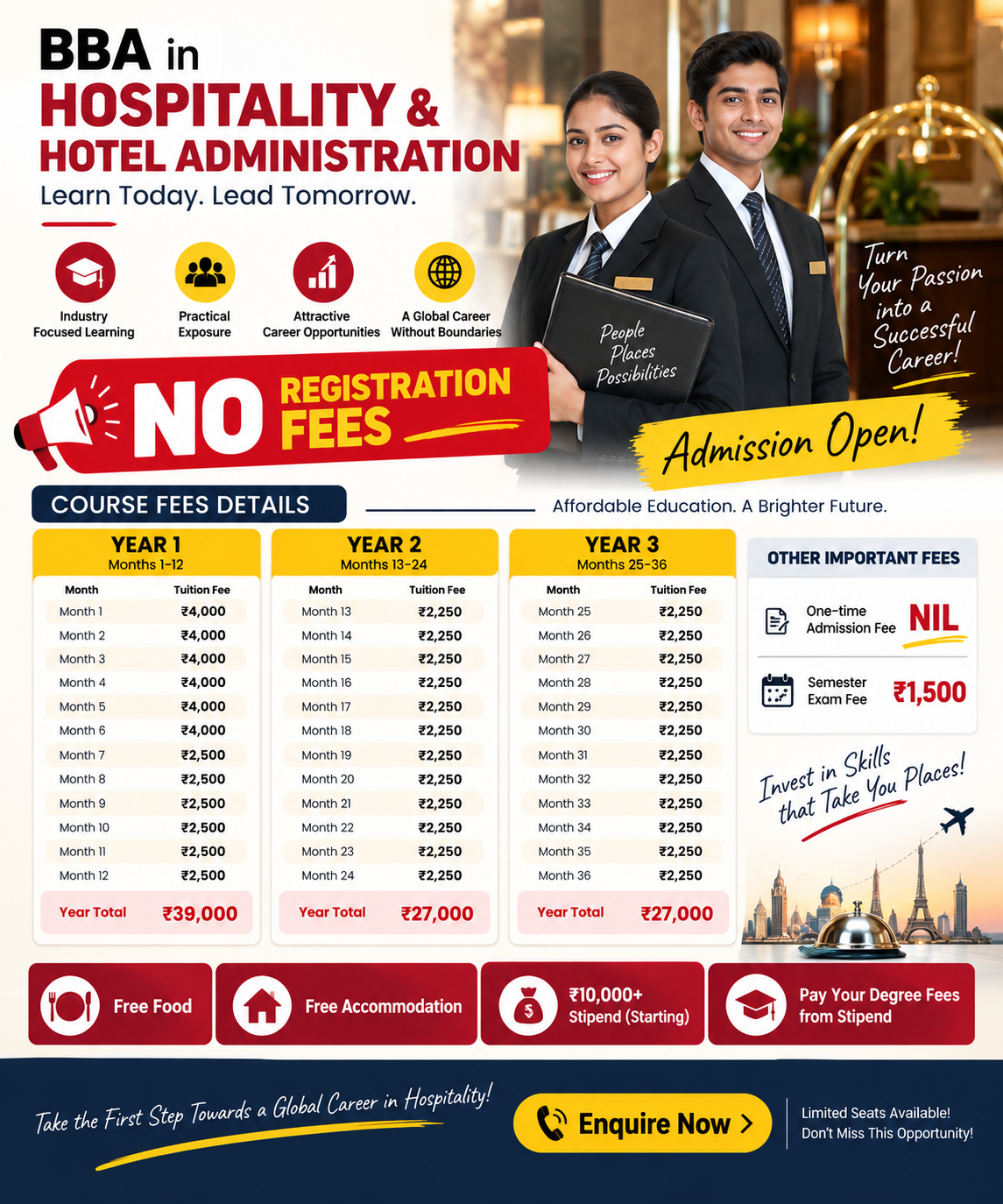 36 Months
 1 Year
 1 MONTHS
 1 MONTHS
 1 MONTHS
 3 MONTHS