
Types of Interviews
Employers often use a variety of interview techniques and settings to determine your candidacy and hiring ability. It is to your advantage to be aware of which type of interview you’ll be experiencing and how to respond to fit the situation. Following are common interview types and tips for success in each situation.
Campus Interviews
Campus interviews will determine who will be invited for on-site interviews. Tip: You must impress the campus recruiter with your enthusiasm for your field of study and you’re potential.
Screening Interview
Screening interviews may be conducted in person, over the phone, or via video to help employers determine if you meet the minimum qualifications for the position. This type of interview is often used when an organization is considering flying you out to their headquarters for a full round of interviews. These interviews are generally handled by a representative of the HR team and tend to follow a set format. Sometimes a written “personality” profile will accompany this type of interview. Tip: Emphasize succinctly and directly that you bring the desired skills/abilities for the position. For phone interviews, keep your notes and portfolio within reach for easy access and reference. In phone interviews, your voice is your only presentation. For video interviews, rehearse in advance with a career counsellor to prepare for a natural and focused presentation.
One-on-One Interview
This is the most common interview format and is usually conducted on site by the hiring manager. The interview focuses on questions to assess your skills, knowledge, and abilities specific to the job. Tip: In addition to selling your key strengths, ask what problems the supervisor is facing currently and then suggest strategies that he or she could implement to resolve the issue.
Panel Interview
Three or more people, representing varied departments within the company, typically conduct group interviews. These representatives generally ask you questions that relate to their areas of interest and expertise. Tip: Remember to direct your answers to the person who asks the question, but maintain eye contact with other members of the group as well. Gather business cards from the group. Place the cards in front of you in the configuration of the people in the room to remember names and key in to their represented functions. Following the interview, send a thank you note to each of the participants, personalizing with comments or questions specific to that individual or division.
Peer Group Interview
This type of group interview will introduce you to your potential co-workers. These team members will not have the ultimate authority to hire you, but each person’s input has influence. Each will be evaluating you and making recommendations about your fit with the group and the company. Tip: Focus on being agreeable and approachable rather than someone with all the answers.
Luncheon Interview
The purpose of a lunch interview is to assess how well you handle yourself in social situations. You will probably be dining with your potential boss and co-workers along with HR professionals. Tip: Make your meal selection carefully. Select light, healthy and easy things to eat. Steer clear of spaghetti or any other potentially messy foods that are not easy to eat gracefully. Do not order alcohol even if others do.
Second Interview or Series Interview
The series interview consists of consecutive interviews with three or more people in the organization, all in one day. The interviewers may consist of someone from personnel, the person who will be your boss, two or three people from the department, and someone from a different department. You may have a combination of individual, panel and peer group interviews throughout the process. The focus of the second interview is to ensure you have the necessary skills and that you will blend well with the organization’s culture. The key to performing well in this interview is to know in advance that you will be having it; advance warning will give you time to get mentally prepared. Tip: Switch your focus from emphasis on your specific strengths to selling yourself as a well-balanced package. Listen carefully to the interviewers to determine any underlying concerns and attempt to dispel them. Prove that you’ve researched the company and demonstrate that you will work as a dedicated member of the organization.
 8 hours
A practical, self-paced course designed to prepare Diploma Mechanical Engineering students for entry...
 8-10 Hours
Banking & Finance – Entry-Level Job Readiness is a practical, self-paced program designed to build j...
 8-10 Hours
Industry-focused training in logistics and supply chain management, covering terminology, procuremen...
 3 MONTHS
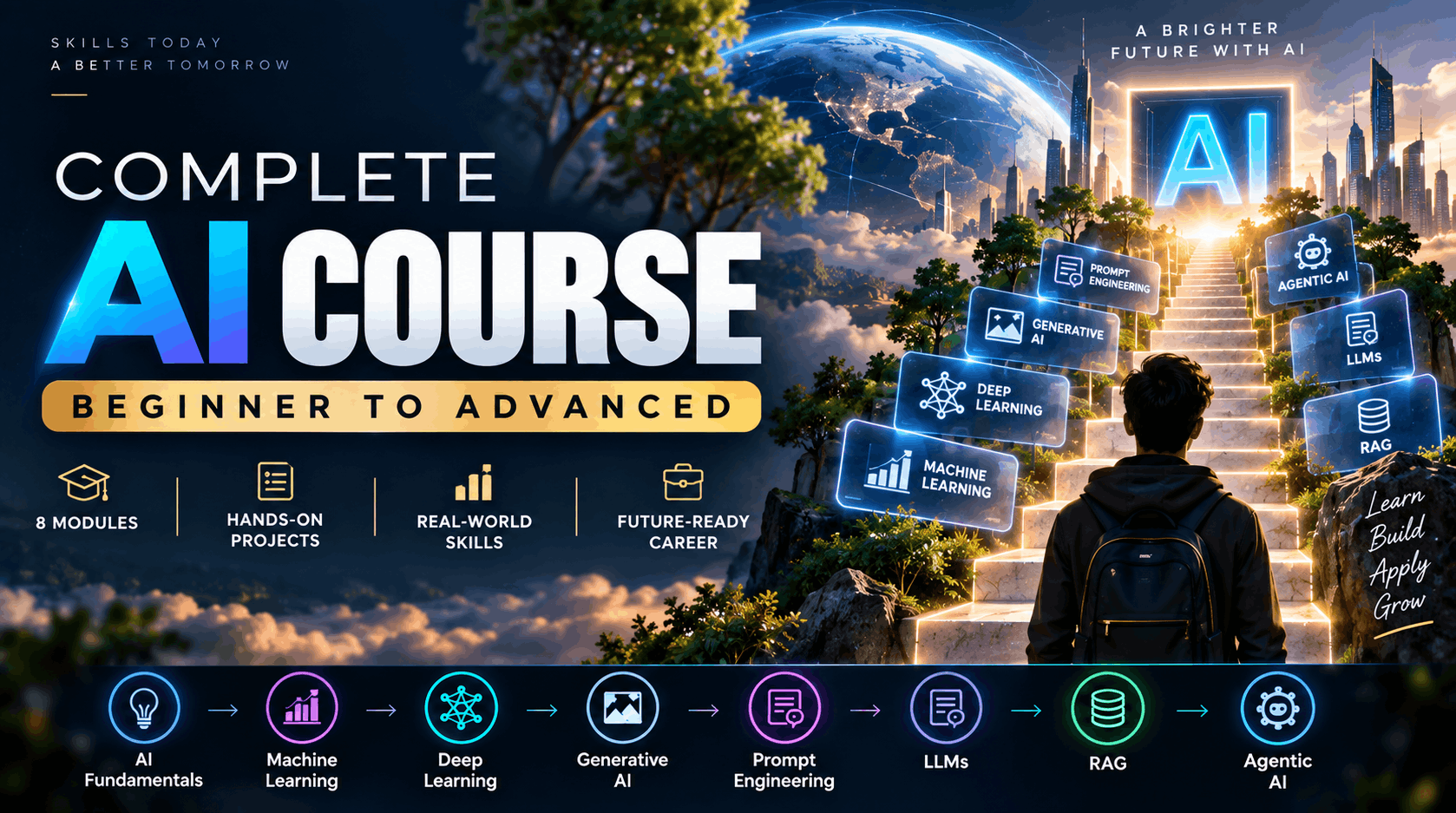
Learn Artificial Intelligence from fundamentals to advanced Agentic AI through 8 structured modules...
 15 Days
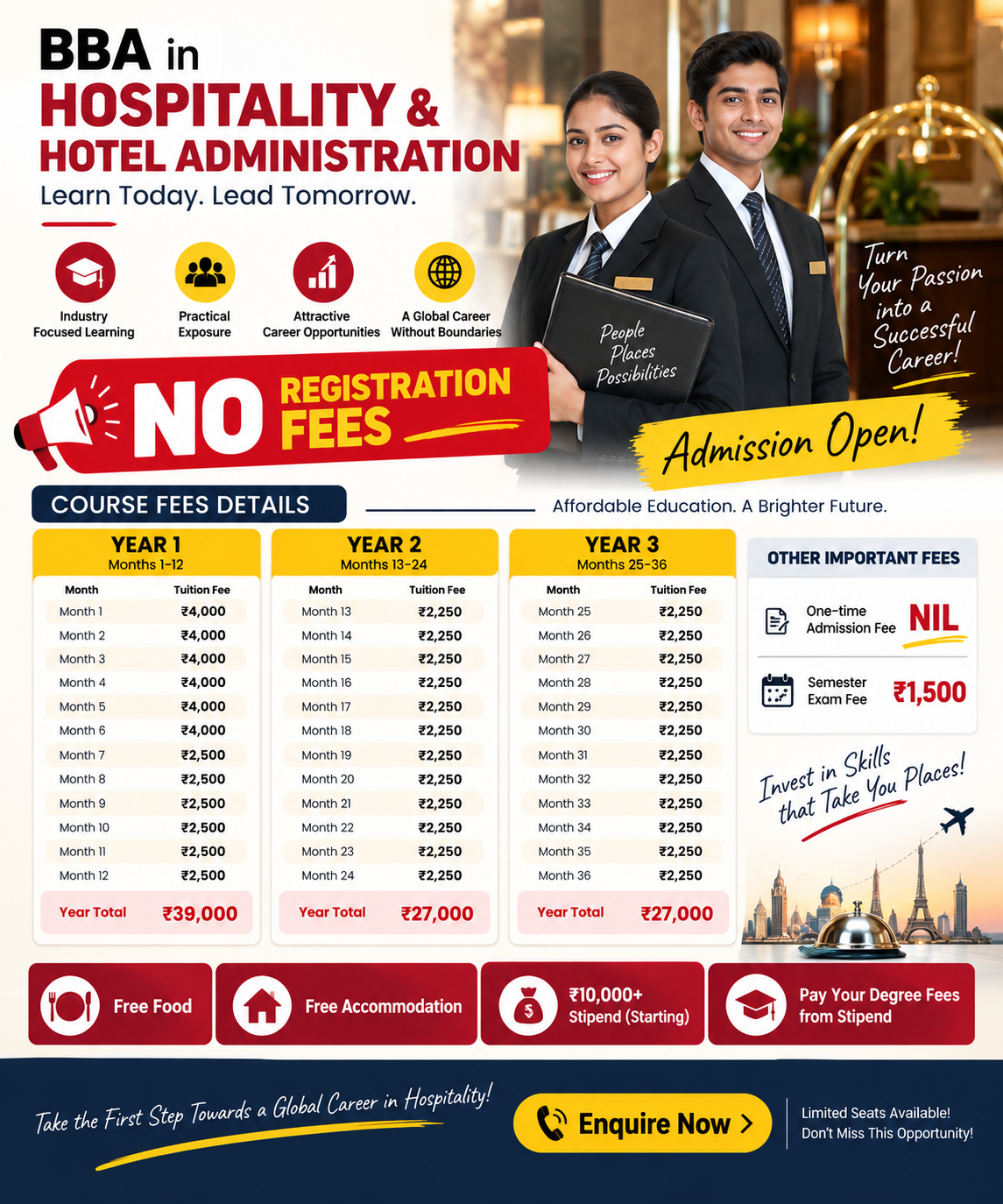
BVoc in Hospitality and Hotel Management एक 3 वर्षीय करियर-केंद्रित स्नातक कार्यक्रम है, जो छात्रों...
 1 Year
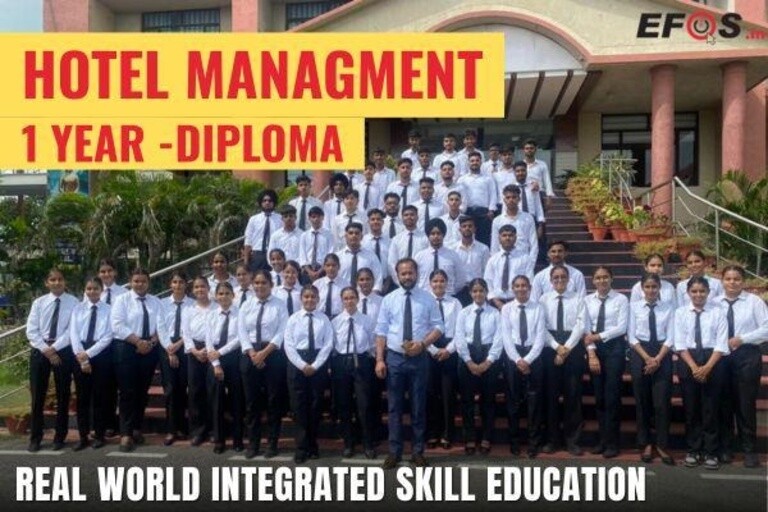
Hotel Management Diploma (RISE Program)- Learn & Earn Mode RISE: Real-world Integrated Skills for...