Mark this lesson as complete
Finish all lessons and pass the quiz to earn your official course completion certificate.

Food Safety & Hygiene

Video Module 6: Food Production (Kitchen Basics)

Food Safety & Hygiene

FREE Good Kitchen Hygiene Poster | Blog | Learn Q

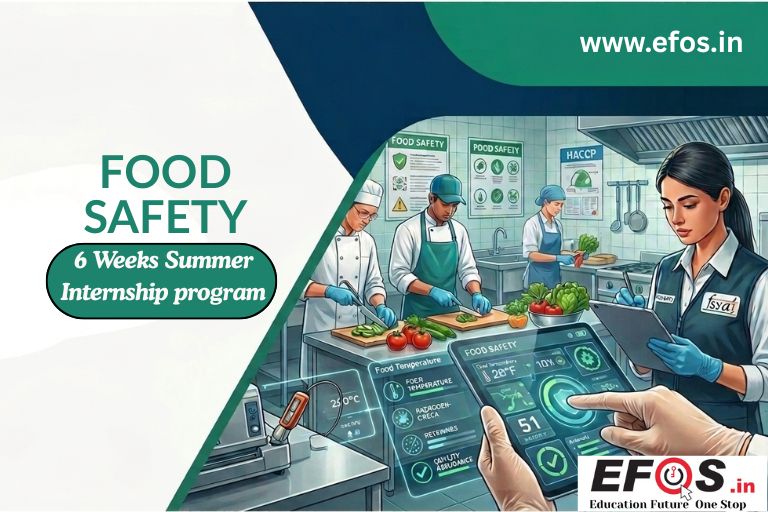
Food Safety & Hygiene refers to all the practices that ensure the food served to guests is clean, safe, and free from contamination. It helps prevent foodborne illnesses, maintains quality, and ensures guest satisfaction.

  • Why Food Safety & Hygiene is Important?
    • Prevents food poisoning and other illnesses.
    • Maintains cleanliness in food preparation areas.
    • Ensures compliance with legal and hotel standards.
    • Protects the health of guests and staff.
    • Reduces food wastage and improves overall efficiency.
  • Types of Food Contamination
  1. Biological Contamination:- When food gets contaminated by germs like bacteria, viruses, or fungi.
  2. Chemical Contamination:- When harmful chemicals like cleaning agents or pesticides mix with food.
  3. Physical Contamination:- When unwanted objects like hair, glass, metal, or plastic fall into food.
  • Principles of Food Safety & Hygiene
  1. Personal Hygiene:- Food handlers must keep themselves clean—wash hands, wear clean uniforms, cover hair, and avoid working when sick.
  2. Kitchen & Equipment Hygiene:- All surfaces, utensils, and equipment must be cleaned and sanitized regularly to prevent contamination.
  3. Food Storage & Handling:- Store food at correct temperatures, label properly, and keep raw and cooked food separate to avoid cross-contamination.
  4. Safe Cooking & Serving:- Cook food to safe temperatures, reheat properly, and serve food at the right hot or cold temperature.
  5. Pest Control:- Keep the kitchen clean, dry, and free from insects and rodents.
  • HACCP (Hazard Analysis Critical Control Point:- HACCP is an international food safety system used to control hazards from production to service.

Main Steps:

  1. Identify hazards
  2. Determine critical control points (CCPs)
  3. Set critical limits
  4. Monitor CCPs
  5. Take corrective actions
  6. Verify procedures
  7. Keep records
  • Pest Control
    • Keep food areas clean and dry.
    • Use traps and approved chemicals.
    • Avoid leaving food uncovered.
    • Seal cracks and entry points.
Course Content

Recommended Courses

Digital Literacy 1 MONTHS
Beginner

₹0.00

Digital Literacy

Digital literacy is the ability to use digital devices, the internet, and online tools safely and ef...

Employability Skills 1 MONTHS
Beginner

₹0.00

Employability Skills

Employability skills are the basic skills and qualities needed to get and succeed in a job. They inc...

ANGREJI KA BHOOT 3 MONTHS
Beginner

₹0.00

ANGREJI KA BHOOT

“Angreji Ka Bhoot” is a fun and learning-based concept that shows the fear of English is just a mind...

Basic English Course 3 MONTHS
Beginner

₹0.00

Basic English Course

A Basic English Course helps beginners learn essential grammar, vocabulary, and communication skills...

Interview Tips and Preparation 1 MONTHS
Beginner

₹0.00

Interview Tips and Preparation

Prepare smartly for interviews by researching the company, understanding the job role, and practicin...

Retail Management Course 3 MONTHS
Beginner

₹0.00

Retail Management Course

A Retail Management Course is a practical, skill-based program designed to prepare students for a su...