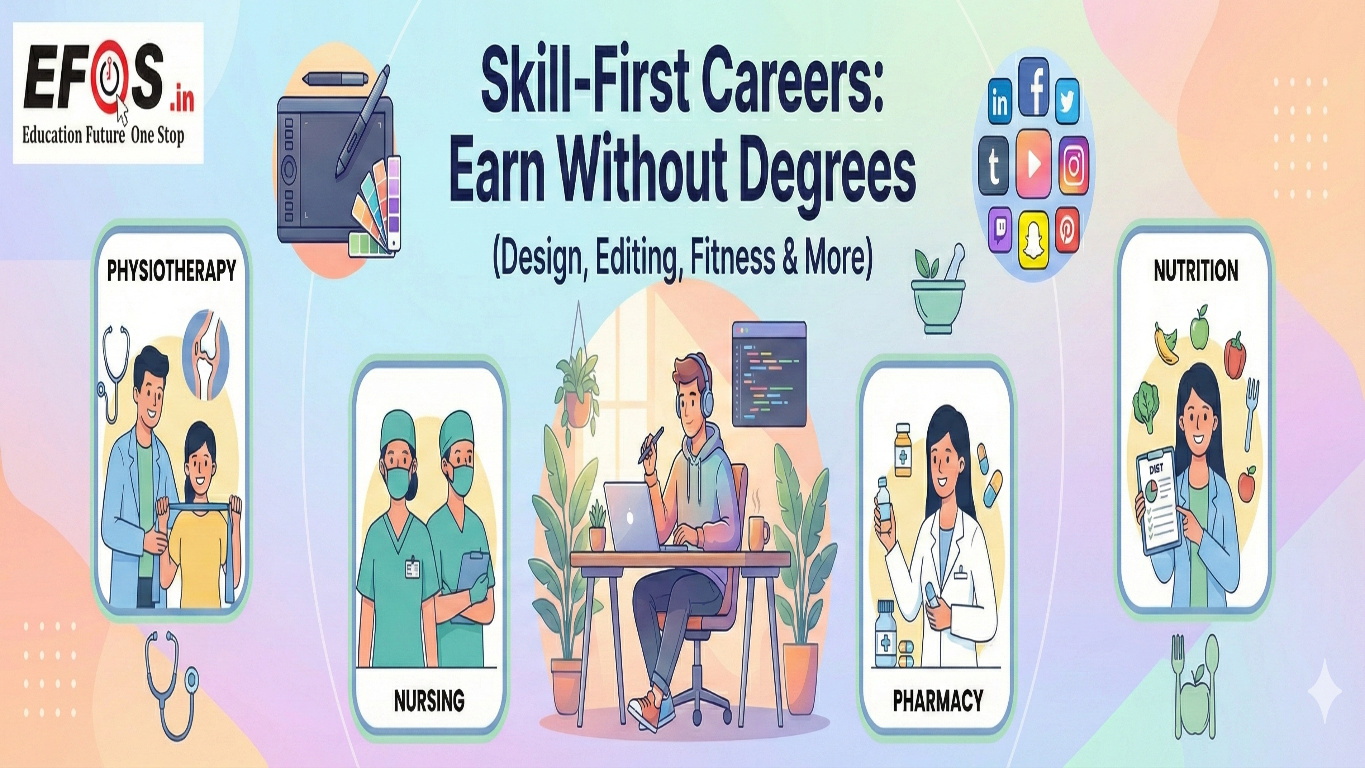
Skill-First Careers: Earn Without Degrees (Design, Editing, Fitness & More)
The traditional career path—degree, corporate job, climb the ladder—isn't the only way anymore. Today, skills matter more than credentials. Whether you're a creative soul, a fitness enthusiast, or someone who loves working with words, you can build a thriving career without a four-year degree.
Let's explore how to turn your talents into income through freelancing and skill-based careers.
1. Top Skills That Pay (No Degree Required)
These in-demand skills can generate serious income with the right approach:
Creative & Design
- Graphic design (logos, branding, social media graphics)
- Video editing (YouTube, TikTok, corporate videos)
- UI/UX design (websites and apps)
- Photography and photo editing
- Content writing and copywriting
Digital Marketing
- Social media management
- SEO (search engine optimization)
- Email marketing
- Content strategy
Fitness & Wellness
- Personal training
- Online fitness coaching
- Nutrition coaching
- Yoga instruction
Technical Skills
- Web development (front-end basics)
- No-code development (Webflow, Bubble)
- Data entry and virtual assistance
- Audio editing and podcast production
Other High-Demand Skills
- Translation services
- Voiceover work
- Bookkeeping
- Customer service consulting
The best part? You can learn most of these skills online through platforms like YouTube, Coursera, Skillshare, or Udemy—often for free or at a fraction of college tuition costs.
2. Setting Up Your Freelance Business
Starting as a freelancer doesn't require fancy business plans or huge investments. Here's your roadmap:
Step 1: Choose Your Niche Don't try to be everything to everyone. Pick one or two skills to focus on initially. For example, instead of "designer," become "a logo designer for eco-friendly brands" or "a video editor for fitness influencers."
Step 2: Set Your Rates Research what others charge in your field. When starting out, you might charge slightly less to build your portfolio, but don't undervalue your work. Consider:
- Hourly rates (common for coaching, consulting)
- Project-based pricing (better for creative work)
- Package deals (great for ongoing services)
Step 3: Create a Simple Business Structure
- Choose a business name
- Set up a separate bank account for business income
- Understand basic tax obligations (consider consulting with an accountant)
- Get any necessary certifications (especially important for fitness and wellness)
Step 4: Find Your First Clients
- Start with your network—friends, family, former colleagues
- Join freelance platforms (Upwork, Fiverr, Freelancer)
- Offer your services on social media
- Join industry-specific groups and communities
- Cold outreach to businesses that might need your services
Essential Tools to Get Started
- Portfolio website (Wix, Squarespace, or free options like Carrd)
- Professional email address
- Basic contract templates (available online)
- Project management tools (Trello, Notion)
- Invoice and payment systems (PayPal, Stripe, Wave)
3. Income Potential: What Can You Really Earn?
Let's talk numbers. Income varies based on skill level, niche, and dedication, but here are realistic ranges:
Beginners (0-1 year)
- Graphic Designer: $500-$2,000/month
- Content Writer: $300-$1,500/month
- Video Editor: $600-$2,500/month
- Personal Trainer (online): $500-$2,000/month
- Social Media Manager: $400-$1,800/month
Intermediate (1-3 years)
- Graphic Designer: $2,000-$5,000/month
- Content Writer: $1,500-$4,000/month
- Video Editor: $2,500-$6,000/month
- Personal Trainer (online): $2,000-$7,000/month
- Social Media Manager: $2,000-$5,000/month
Advanced (3+ years)
- Graphic Designer: $5,000-$15,000+/month
- Content Writer: $4,000-$10,000+/month
- Video Editor: $6,000-$15,000+/month
- Personal Trainer (online): $5,000-$20,000+/month
- Social Media Manager: $5,000-$12,000+/month
Multiple Income Streams Successful freelancers often combine:
- Client work (bread and butter)
- Digital products (templates, presets, guides)
- Online courses teaching their skill
- Affiliate marketing
- Passive income (stock photos, music, design assets)
4. Building a Portfolio That Wins Clients
Your portfolio is your most powerful marketing tool. Here's how to create one that stands out:
What to Include
- 5-10 of your absolute best pieces of work
- Before-and-after examples (especially for editors and designers)
- Case studies explaining your process and results
- Client testimonials and reviews
- Clear description of the services you offer
- Contact information and call-to-action
Don't Have Client Work Yet? No problem. Create spec work:
- Designers: Redesign existing brands or create fictional projects
- Writers: Start a blog showcasing your writing style
- Video Editors: Edit sample footage (available free online) or create demo reels
- Fitness Trainers: Post workout videos, transformation content, or educational posts
- Social Media Managers: Create a case study for a fictional brand
Where to Host Your Portfolio
- Personal website (most professional option)
- Behance or Dribbble (for designers)
- Medium or Contently (for writers)
- YouTube or Vimeo (for video editors)
- Instagram (especially for visual work and fitness)
- LinkedIn (professional services)
Portfolio Pro Tips
- Quality over quantity—show your best, not everything
- Update regularly as you improve
- Make it easy to navigate and mobile-friendly
- Include a clear "hire me" or "work with me" section
- Show personality—let clients see who you are
5. Monetization Strategies Beyond Client Work
Don't limit yourself to hourly rates. Diversify your income with these strategies:
Digital Products
- Canva templates
- Lightroom presets
- Stock photos or videos
- Workout plans or meal prep guides
- Writing templates or email sequences
Online Courses Teach others your skill on platforms like:
- Teachable
- Skillshare
- Udemy
- Gumroad
- Your own website
Membership or Subscription Models
- Exclusive content for paying members
- Monthly fitness coaching programs
- Design subscription services (unlimited requests)
- Writing retainers with regular clients
Affiliate Marketing Recommend tools and products you actually use:
- Design software
- Fitness equipment
- Writing tools
- Camera gear
Content Creation
- Start a YouTube channel about your journey
- Build a blog with ads and sponsored content
- Create a podcast
- Grow social media and monetize through brand deals
Scaling Your Services
- Hire subcontractors and manage projects
- Create packages instead of hourly work
- Focus on high-ticket clients
- Develop recurring revenue streams
Getting Started Today
The best time to start was yesterday. The second-best time is now.
Your Action Plan:
- This week: Choose your skill and complete one free online course or tutorial
- This month: Create three portfolio pieces and set up a basic online presence
- Month two: Apply to 10 freelance jobs or reach out to 10 potential clients
- Month three: Land your first paid client and ask for a testimonial
- Ongoing: Keep learning, networking, and improving your craft
Remember, every expert was once a beginner. Every successful freelancer started with zero clients. The difference between those who make it and those who don't isn't talent—it's persistence.
Your skills are valuable. Your time is valuable. You don't need a degree to prove your worth—you just need to start, stay consistent, and keep showing up.
Ready to turn your skills into income? The world needs what you have to offer.