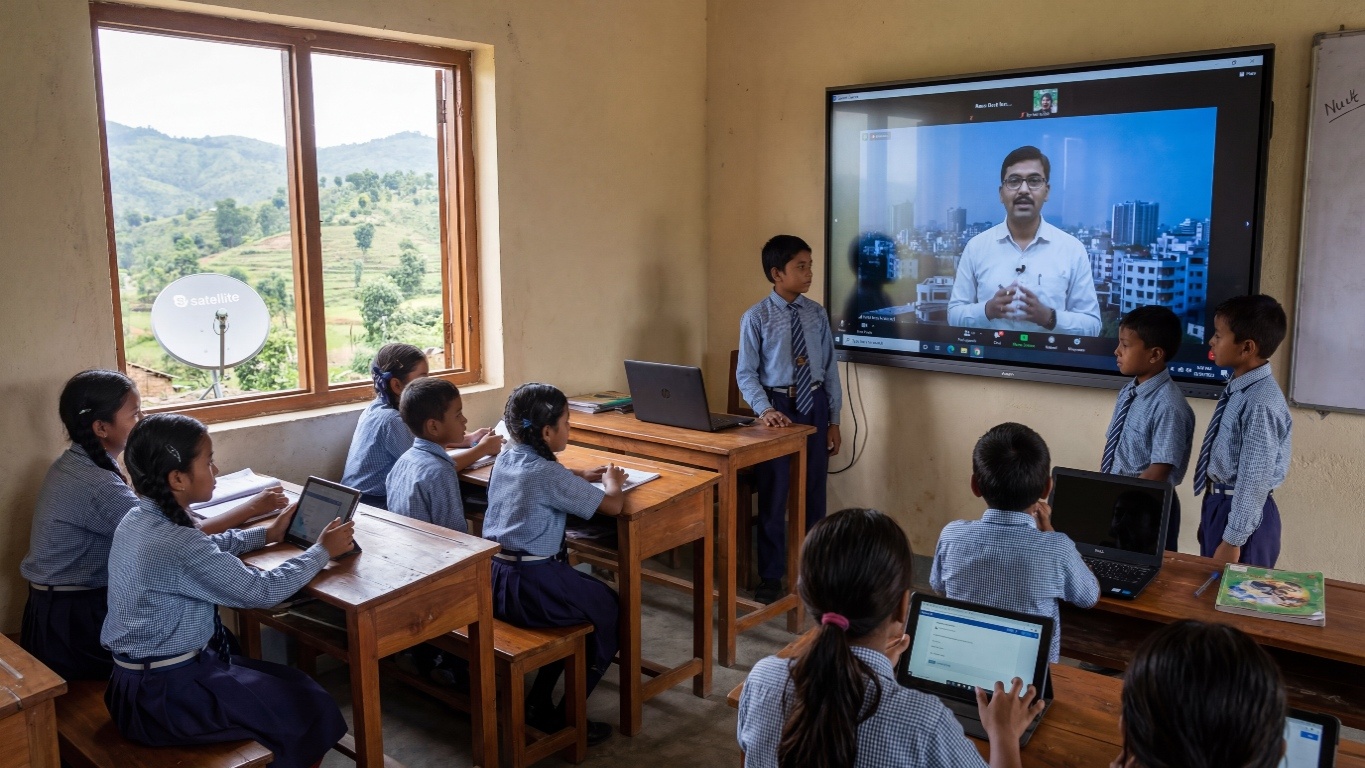
Education is the foundation of a strong future—but for many students in rural areas, access to quality education has always been a challenge. Limited schools, lack of trained teachers, poor infrastructure, and long travel distances often hold students back.
The good news? 🌟 Technology is changing this reality.
With smartphones, the internet, and digital learning platforms, rural students today have more opportunities than ever before.
Let’s explore how technology is empowering rural students and bridging the education gap.
Understanding the Education Challenges in Rural Areas
Before understanding the solution, let’s look at the common problems rural students face:
- Shortage of qualified teachers
- Limited subject choices in schools
- Lack of coaching centers and libraries
- Poor infrastructure and outdated teaching methods
- Financial constraints
- Distance from educational institutions
Technology directly addresses many of these issues.
1. Online Learning Platforms Bring Education to Villages
Online education platforms allow students to learn anytime, anywhere.
How it helps:
- Students can attend live or recorded classes from home
- Access to quality teachers from top cities
- Learning is no longer limited by school location
- Competitive exam preparation becomes possible even in remote areas
📚 From basic subjects to advanced skills, everything is just a click away.
2. Smartphones: The New Classroom for Rural Students
Today, a smartphone is more than a communication device—it’s a learning tool.
Benefits of smartphone learning:
- Easy access to educational apps and videos
- Affordable compared to laptops
- Students can learn at their own pace
- Parents can also support children’s learning
📱 Even one smartphone in a family can change a child’s educational journey.
3. Digital Classrooms Improve Teaching Quality
Many rural schools are adopting smart classrooms with digital boards, videos, and animations.
Why digital classrooms work:
- Visual learning improves understanding
- Makes subjects more interesting and engaging
- Helps teachers explain complex topics easily
- Encourages student participation
🎥 Learning becomes interactive, not boring.
4. Access to Free and Low-Cost Learning Resources
Technology provides access to high-quality educational content at little or no cost.
Examples include:
- Free video lectures
- Online notes and e-books
- Practice tests and quizzes
- Skill-based learning courses
💡 This reduces dependency on expensive coaching centers.
5. Online Exams & Skill Certification Opportunities
Rural students can now:
- Appear for online competitive exams
- Earn certificates in digital skills
- Learn job-oriented courses like coding, data entry, digital marketing, etc.
Result:
- Improved employability
- Better career awareness
- Early exposure to professional skills
🎓 Skills matter more than location now.
6. Government & NGO Support Through Technology
Government initiatives and NGOs are using technology to reach rural students.
Support includes:
- Online scholarship portals
- Digital literacy programs
- Virtual career counseling
- Free learning devices in some regions
🏫 Technology ensures benefits reach the right students faster.
7. Virtual Mentorship & Career Guidance
Earlier, rural students lacked proper career guidance. Technology has changed that.
Now students can:
- Attend virtual career counseling sessions
- Connect with mentors online
- Explore career options after Class 10 & 12
- Get guidance for competitive exams and job planning
🧭 Right guidance at the right time makes all the difference.
8. Bridging the Rural–Urban Education Gap
Technology creates equal learning opportunities for all students.
What this means:
- Same content for rural and urban learners
- Fair competition in exams
- Increased confidence among rural students
- Better future outcomes
🌍 Talent is everywhere—technology helps it shine.
Challenges That Still Need Attention
While technology is powerful, some challenges remain:
- Limited internet connectivity in remote areas
- Digital literacy among parents and teachers
- Affordability of devices for all families
⚠️ Continuous efforts are needed to make digital education inclusive.
The Future of Rural Education with Technology
The future looks promising:
- Better internet infrastructure
- More regional language content
- AI-based personalized learning
- Increased public–private partnerships
🚀 Rural students will not just catch up—they will lead.
Conclusion: Technology Is a Game-Changer for Rural Education
Technology has transformed education from a privilege to a possibility for rural students. With digital tools, online learning, and virtual guidance, students from villages can now dream big and achieve more.
🌟 Quality education is no longer defined by location—it’s defined by access.