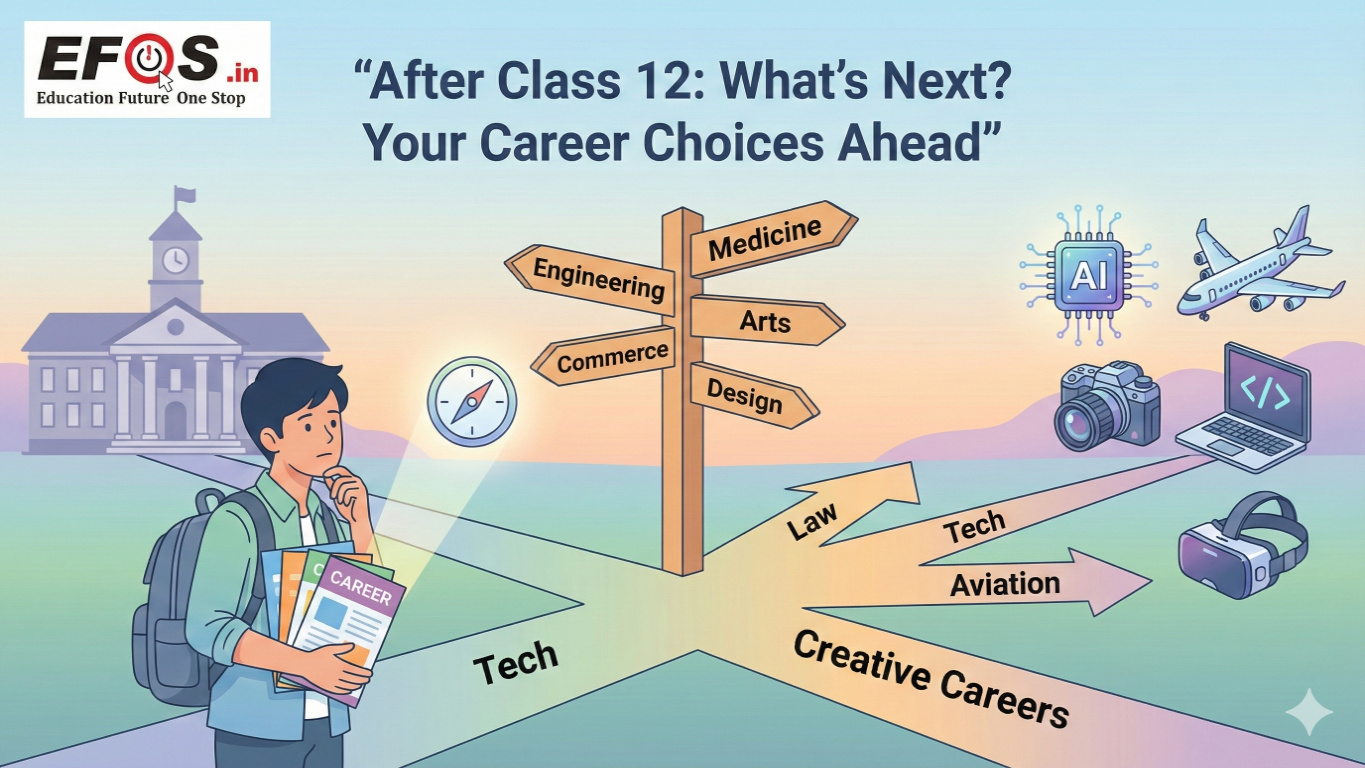
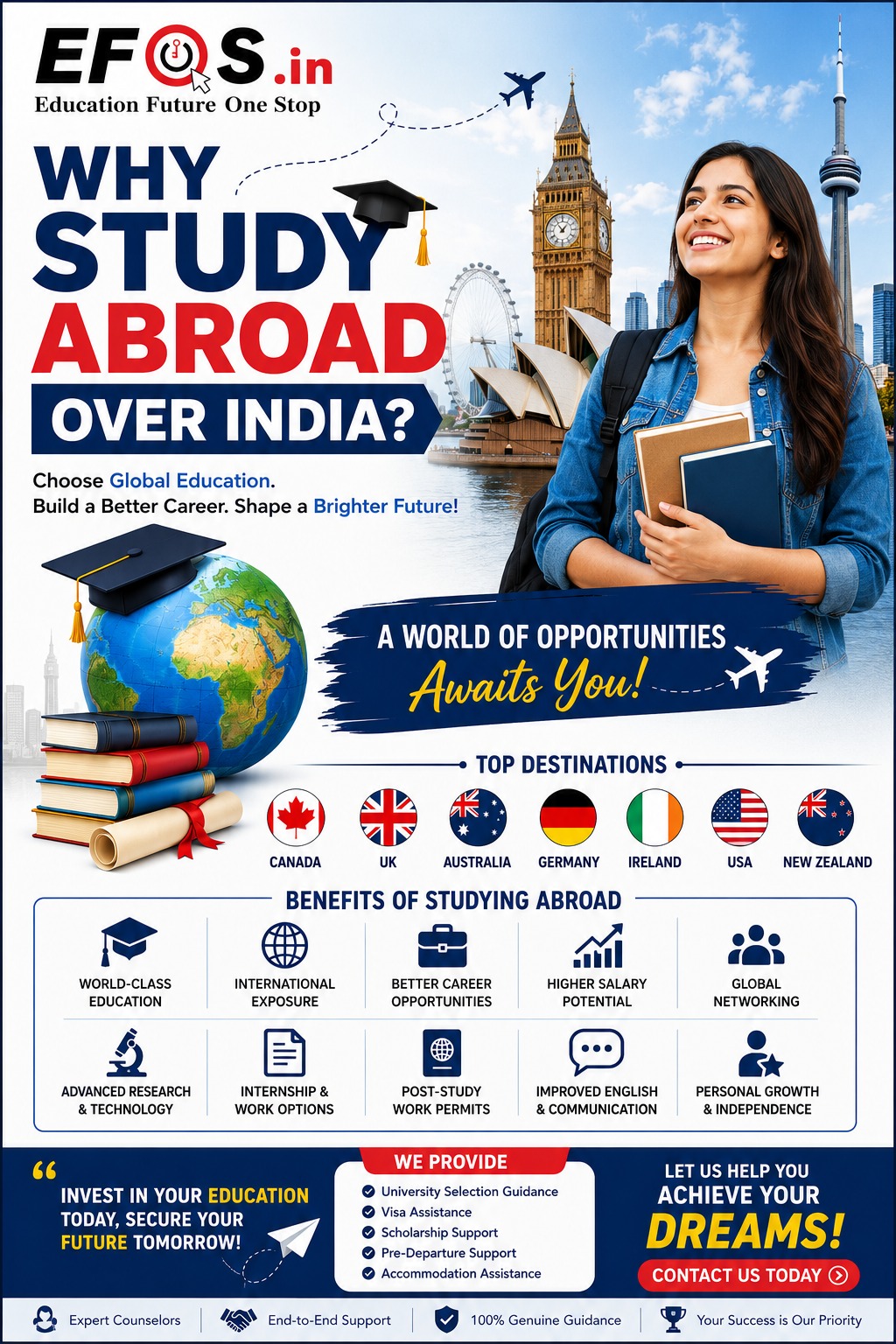
Dreaming of pursuing your undergraduate degree abroad? You're not alone. Every year, thousands of Indian students embark on this transformative journey, seeking world-class education, global exposure, and career opportunities that transcend borders. Whether you've aced your IELTS or haven't taken it yet, this comprehensive guide will help you navigate the exciting path to studying abroad after Class 12.
🌍 Top Countries for Indian Students
United States
The USA remains the most popular destination, hosting over 200,000 Indian students annually. With its diverse range of universities, cutting-edge research facilities, and vibrant campus life, America offers unparalleled opportunities across all fields of study.
Why Choose USA:
- Home to 50+ universities in the global top 100
- Flexible curriculum with liberal arts options
- Optional Practical Training (OPT) allows 1-3 years of work experience
- Strong alumni networks and industry connections
United Kingdom
With its rich academic heritage and shorter degree duration (3 years for most bachelors), the UK is perfect for students seeking quality education in less time.
Why Choose UK:
- Prestigious institutions like Oxford, Cambridge, Imperial College
- Post-Study Work visa allows 2 years of employment
- Multicultural environment in cities like London, Manchester, Edinburgh
- Strong emphasis on research and critical thinking
Canada
Known for its welcoming immigration policies and high quality of life, Canada has become increasingly popular among Indian students.
Why Choose Canada:
- Affordable tuition compared to USA and UK
- Post-Graduation Work Permit (PGWP) for up to 3 years
- Pathway to permanent residence
- Safe, multicultural society with large Indian diaspora
Australia
With its world-class universities, pleasant climate, and student-friendly visa policies, Australia offers an excellent study experience.
Why Choose Australia:
- Eight universities in the global top 100
- Temporary Graduate visa (subclass 485) for 2-4 years
- Part-time work allowed during studies (48 hours per fortnight)
- Strong focus on practical, industry-relevant education
Germany
For those interested in engineering and technical fields, Germany offers exceptional education, often at minimal or no tuition fees at public universities.
Why Choose Germany:
- Free or low-cost education at public universities
- Strong engineering and technical programs
- 18-month post-study work visa
- Growing number of English-taught programs
Other Notable Destinations
- Ireland: Tech hub with strong job market
- New Zealand: High quality of life, research opportunities
- Singapore: Asian business gateway, excellent for business and tech
- Netherlands: English-taught programs, innovative teaching methods
📝 IELTS vs No IELTS: Your Options
Countries and Universities Accepting Students Without IELTS
Good news: IELTS isn't always mandatory. Many universities now accept alternative proof of English proficiency.
USA Universities (Without IELTS):
- University of Colorado Boulder
- California State University
- University of Delaware
- Rice University
- University of Dayton
Alternatives Accepted:
- Duolingo English Test (accepted by 4,000+ institutions)
- TOEFL iBT
- PTE Academic
- Medium of Instruction (MOI) certificate from your school
- University's own English proficiency test
Canada: Many Canadian universities accept MOI certificates or conduct their own assessments. Institutions like Brock University, University of Winnipeg, and Concordia University offer conditional admission or pathway programs.
UK: Some universities accept MOI certificates for students who completed their education in English. University of Bristol, University of Sheffield, and Warwick University may waive IELTS for certain candidates.
Australia: Institutions like University of Queensland, University of Adelaide, and RMIT accept various English proficiency proofs beyond IELTS.
Should You Still Take IELTS?
While alternatives exist, IELTS offers distinct advantages:
Benefits of Taking IELTS:
- Universally accepted by 11,000+ institutions worldwide
- Demonstrates standardized English proficiency
- Strengthens your application competitively
- Required for many scholarship programs
- Useful for visa applications in some countries
- Opens doors to more universities and programs
Target Scores:
- USA/Canada: 6.5-7.0 overall
- UK: 6.0-7.0 overall
- Australia: 6.5-7.0 overall
- Individual component scores matter too
💰 Scholarships: Funding Your Dream Education
Studying abroad doesn't have to drain your family's savings. Numerous scholarships are available for meritorious and deserving students.
Merit-Based Scholarships
USA:
- Fulbright-Nehru Master's Fellowships: Full funding including tuition, living expenses
- Stanford Reliance Dhirubhai Fellowship: Full tuition and stipend
- University-specific scholarships: Many universities offer $10,000-$30,000 per year
- Yale Young Global Scholars Program
- Harvard University Scholarships
UK:
- Chevening Scholarships: Full funding for outstanding students
- Commonwealth Scholarships: For students from Commonwealth countries
- GREAT Scholarships: £10,000 toward tuition fees
- University-specific awards: Oxford, Cambridge, Imperial offer substantial aid
Canada:
- Lester B. Pearson Scholarship (University of Toronto): Full tuition, books, incidentals
- Vanier Canada Graduate Scholarships
- University of British Columbia Scholarships
- York University International Student Scholarships
Australia:
- Australia Awards Scholarships: Full tuition and living allowance
- Destination Australia Scholarship: Up to AUD 15,000 per year
- University-specific scholarships: Monash, Melbourne, ANU offer various awards
Germany:
- DAAD Scholarships: Monthly stipend and additional benefits
- Heinrich Böll Scholarships
- Deutschlandstipendium: €300 per month
Need-Based Financial Aid
Many universities, especially in the USA, offer need-based financial aid to international students. Institutions like MIT, Harvard, Princeton, and Yale are need-blind for international students and meet 100% demonstrated financial need.
How to Increase Your Scholarship Chances:
- Start early: Research and apply 12-18 months before enrollment
- Strong academics: Maintain excellent grades and test scores
- Compelling essays: Articulate your goals and unique story
- Extracurriculars: Demonstrate leadership and community involvement
- Apply widely: Submit multiple scholarship applications
- Meet deadlines: Many scholarships have early application deadlines
💵 Cost Breakdown: What to Expect
Understanding the financial commitment is crucial for planning your study abroad journey.
Tuition Fees (Annual Estimates)
USA:
- Public universities: $20,000-$35,000
- Private universities: $35,000-$55,000
- Top-tier institutions: $50,000-$80,000
UK:
- Undergraduate programs: £10,000-£26,000
- London-based universities: Generally higher
- Shorter duration (3 years) reduces overall cost
Canada:
- Undergraduate programs: CAD 15,000-35,000
- More affordable than USA for similar quality
Australia:
- Undergraduate programs: AUD 20,000-45,000
- Depends heavily on field of study
Germany:
- Public universities: €0-€3,000 per year (nominal semester fees)
- Private universities: €20,000-€30,000
- Incredibly affordable option
Living Expenses (Annual Estimates)
USA: $10,000-$18,000
- Housing, food, transport, personal expenses
- Varies significantly by city (New York vs. smaller towns)
UK: £12,000-£15,000
- London: £15,000-£18,000
- Other cities: £9,000-£12,000
Canada: CAD 10,000-15,000
- Toronto/Vancouver: Higher costs
- Smaller cities: More affordable
Australia: AUD 21,000-27,000
- Includes accommodation, food, transport
- Sydney/Melbourne: Higher end of range
Germany: €10,000-12,000
- Very reasonable living costs
- Affordable public transport and healthcare
Additional Costs
- Application fees: $50-$150 per university
- Standardized tests: IELTS ($200), SAT ($60-$90), GRE/GMAT ($200-$250)
- Visa fees: $160-$400 depending on country
- Travel: ₹50,000-₹1,00,000 for flights
- Health insurance: $500-$2,000 annually
- Books and supplies: $500-$1,000 per year
Total Investment (3-4 Year Degree)
Budget-Friendly Options:
- Germany: €30,000-€50,000 (total)
- Canada: CAD 100,000-150,000
Mid-Range Options:
- UK: £60,000-£100,000
- Australia: AUD 120,000-180,000
Premium Options:
Remember: Scholarships, part-time work, and financial aid can significantly reduce these costs.
🚀 Job Opportunities Abroad: Your Career Launchpad
One of the biggest advantages of studying abroad is access to global career opportunities and international work experience.
Post-Study Work Rights
USA:
- OPT (Optional Practical Training): 12 months for all graduates
- STEM OPT Extension: Additional 24 months for STEM fields (total 36 months)
- H-1B visa pathway: Competitive but possible for exceptional candidates
- Average starting salary: $50,000-$80,000 depending on field
UK:
- Graduate Route visa: 2 years for bachelor's/master's, 3 years for PhD
- No job offer required before applying
- Can switch to Skilled Worker visa
- Average starting salary: £25,000-£35,000
Canada:
- Post-Graduation Work Permit: Up to 3 years depending on program length
- Clear pathway to permanent residence
- Provincial Nominee Programs available
- Average starting salary: CAD 40,000-60,000
Australia:
- Temporary Graduate visa: 2-4 years depending on qualification and location
- Points-based immigration system
- Skills shortage lists for easier PR
- Average starting salary: AUD 50,000-70,000
Germany:
- 18-month job search visa after graduation
- Blue Card for skilled workers
- Strong demand in engineering, IT, healthcare
- Average starting salary: €40,000-55,000
In-Demand Fields with Strong Job Prospects
Technology:
- Software Development, Data Science, AI/ML, Cybersecurity
- Highest demand across all countries
- Competitive salaries and rapid career growth
Healthcare:
- Nursing, Pharmacy, Public Health, Medical Research
- Critical shortage in most developed countries
- Strong job security and growth potential
Business & Finance:
- Accounting, Financial Analysis, Marketing, Supply Chain
- Good opportunities in major business hubs
- MBA graduates particularly sought after
Engineering:
- Electrical, Mechanical, Civil, Chemical Engineering
- Germany and USA especially strong for engineering
- Often qualifies for extended work permits
Creative Industries:
- UX/UI Design, Digital Marketing, Content Creation
- Growing demand in digital economy
- Startups and tech companies actively hiring
Part-Time Work While Studying
Most countries allow international students to work part-time during studies:
- USA: Up to 20 hours/week on-campus during semester, full-time during breaks
- UK: Up to 20 hours/week during term, full-time during holidays
- Canada: Up to 20 hours/week during semester, full-time during breaks
- Australia: 48 hours per fortnight during semester, unlimited during breaks
- Germany: 120 full days or 240 half days per year
Part-time earnings help with:
- Living expenses (₹40,000-₹80,000 per month)
- Gaining local work experience
- Building professional networks
- Developing language skills
Networking and Career Services
University Career Centers:
- Resume workshops and interview preparation
- Job fairs with major employers
- Internship placement assistance
- Alumni networking events
Industry Connections:
- Many programs include co-op or internship components
- Research opportunities with faculty
- Industry-sponsored projects
- Guest lectures from professionals
Professional Associations:
- Student memberships available
- Networking events and conferences
- Mentorship programs
- Job boards and career resources
📋 Admission Requirements: What You Need
Academic Requirements
- Class 12 marks: 60-85% depending on university ranking
- Subject prerequisites: Especially for specialized programs
- Predicted/final transcripts: Certified by your school
- Equivalency certificates: For boards other than CBSE/ISC
Standardized Tests
For USA:
- SAT: 1200-1500+ depending on university
- ACT: Alternative to SAT, score 24-34
- AP exams: Can earn college credit
For UK:
- Usually based on Class 12 marks
- Some programs may require specific subject tests
For Canada:
- Primarily based on Class 12 marks
- Some universities may request SAT/ACT
English Proficiency:
- IELTS, TOEFL, PTE, or Duolingo (as discussed earlier)
Application Components
Essays/Personal Statements:
- Demonstrate your motivations and goals
- Show fit with the university and program
- Highlight unique experiences and perspectives
Letters of Recommendation (2-3):
- From teachers who know you well
- From counselor or principal
- Should speak to your academic abilities and character
Extracurricular Activities:
- Leadership roles and community service
- Awards and achievements
- Sports, arts, clubs, competitions
Resume/CV:
- Academic achievements
- Work experience or internships
- Skills and certifications
🛂 Visa Process: Your Entry Ticket
Timeline
Start your visa application immediately after receiving admission (typically 3-4 months before departure).
Common Requirements
- Valid passport: At least 6 months validity
- University acceptance letter
- Financial proof: Bank statements, scholarship letters, loan documents
- Academic documents: Transcripts, certificates
- English proficiency scores
- Medical examination: For some countries
- Visa application fee
- Biometrics: Fingerprints and photograph
Tips for Success
- Be honest: Provide accurate information
- Organize documents: Keep everything systematic
- Practice interview: If required (especially for USA)
- Show ties to home: Demonstrate intention to return (if asked)
- Maintain sufficient funds: Show you can afford education and living
🎯 Timeline: When to Start Planning
18-24 Months Before:
- Research countries, universities, and programs
- Understand admission requirements
- Start preparing for standardized tests
- Build your academic profile and extracurriculars
12-18 Months Before:
- Take IELTS/TOEFL/SAT/ACT
- Shortlist 8-12 universities
- Request letters of recommendation
- Draft personal statements and essays
9-12 Months Before:
- Submit applications (deadlines vary)
- Apply for scholarships
- Appear for university interviews if required
6-9 Months Before:
- Receive admission decisions
- Accept offer and pay deposit
- Apply for education loan if needed
- Start visa application process
3-6 Months Before:
- Complete visa formalities
- Book accommodation
- Arrange health insurance
- Book flights
1-3 Months Before:
- Attend pre-departure orientations
- Pack essentials
- Inform bank about travel
- Connect with fellow students
💡 Pro Tips for Success
- Start early: The entire process takes 12-18 months
- Research thoroughly: Don't just follow the crowd
- Apply strategically: Mix reach, match, and safety schools
- Personalize applications: Tailor each application to the specific university
- Seek guidance: Consult education counselors and alumni
- Stay organized: Use spreadsheets to track deadlines
- Be authentic: Let your genuine personality shine through
- Consider ROI: Weigh costs against potential career outcomes
- Prepare mentally: Moving abroad is emotionally challenging
- Stay connected: Maintain relationships back home while building new ones
🌟 Final Thoughts
Studying abroad after Class 12 is more than just getting a degree—it's an investment in your future, personal growth, and global perspective. Whether you choose the vibrant campuses of America, the historic halls of British universities, the multicultural cities of Canada, or the innovation hubs of Europe and Australia, you're embarking on a life-changing adventure.
The journey may seem daunting with its applications, tests, visa processes, and financial considerations, but thousands of students successfully navigate this path every year. With proper planning, determination, and the right guidance, you too can join the ranks of global citizens making their mark on the world stage.
Remember, there's no single "right" path. Your ideal destination depends on your field of interest, budget, career goals, and personal preferences. Take time to research, ask questions, seek advice, and most importantly, trust yourself.
The world is waiting for you. Your global pathway starts now.
Ready to begin your study abroad journey? We're here to help you every step of the way—from university selection to visa guidance. Connect with us to turn your international education dreams into reality!
✈️ Your adventure awaits. Let's make it happen together.